Canadian dollar ($) - CAD

What Is Coffee? From Bean to Cup — And Why Colombia Is a World Reference
Coffee is more than a drink. It’s a ritual, a culture, a daily pause, and for millions of people around the world, a source of connection and creativity. But behind every cup of coffee, there is a long journey that begins in the mountains and ends in your hands.
In this guide, we’ll explore what coffee really is, where it comes from, how it travels from bean to cup, and why Colombia has become one of the most respected coffee origins in the world.
What Is Coffee, Really?
Coffee is a beverage made from roasted coffee beans, which are the seeds of the coffee fruit (often called coffee cherries). These cherries grow on coffee trees, mainly in tropical regions around the world.
There are two main species of coffee consumed globally:
Arabica (Coffea arabica) – smoother, more aromatic, complex flavors
Robusta (Coffea canephora) – stronger, more bitter, higher caffeine content
Most specialty coffee comes from Arabica, which is known for its refined flavor profiles, ranging from fruity and floral to chocolatey and nutty.
The Journey of Coffee: From Farm to Cup
Every cup of coffee goes through several key stages:
1. Growing
Coffee grows in what’s known as the “Coffee Belt”, an area between the Tropic of Cancer and the Tropic of Capricorn. This region offers the right combination of altitude, temperature, rainfall, and soil.
2. Harvesting
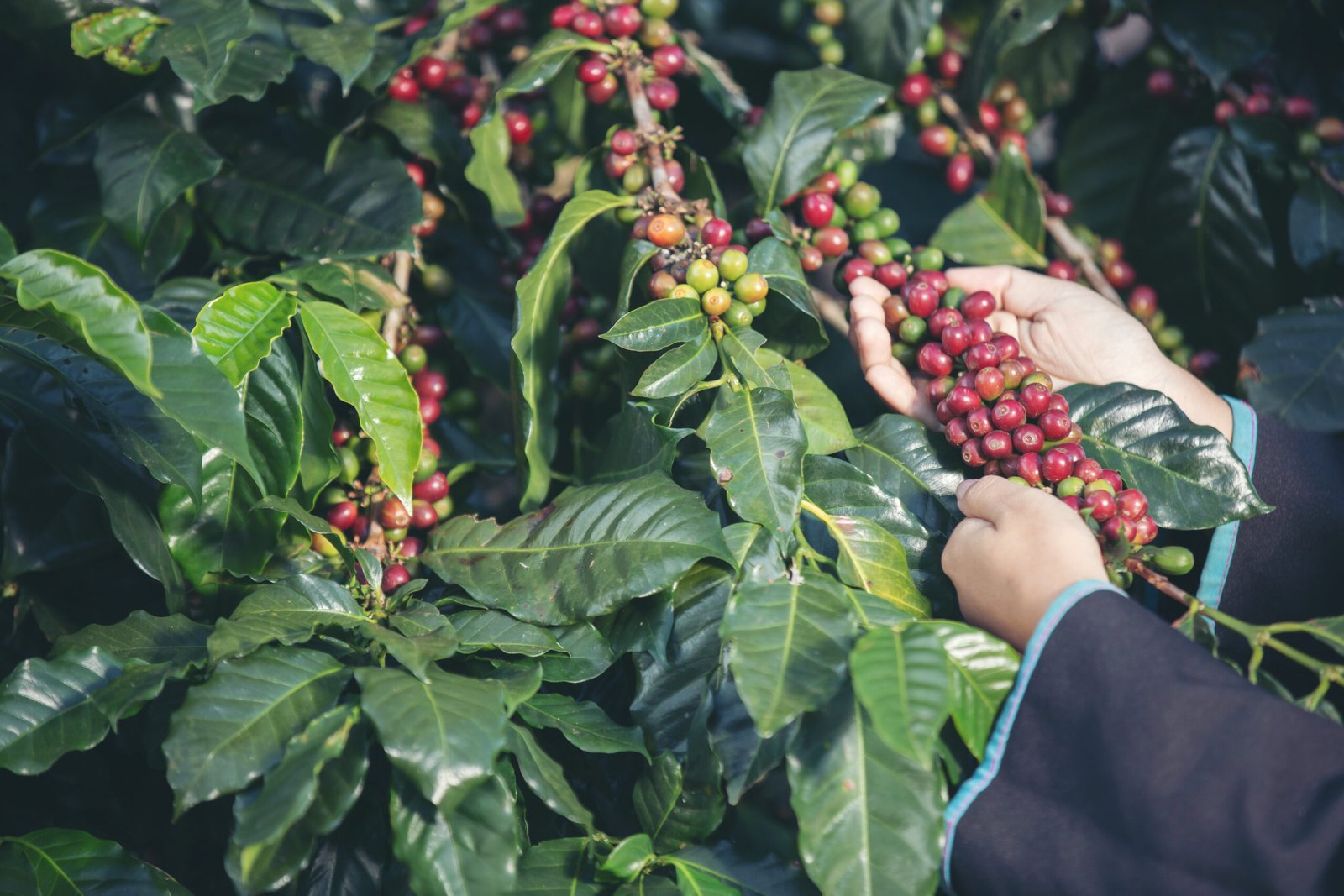
Coffee cherries are picked when ripe. In many high-quality coffee origins, harvesting is done by hand to select only the best cherries.
3. Processing
Once harvested, the coffee bean is extracted from the fruit using different processing methods, such as:
Washed (clean, bright flavors)
Honey (balanced sweetness)
Natural (fruit-forward, complex notes)
Each method directly impacts the final flavor in the cup.
4. Drying & Milling
The beans are dried, rested, and prepared for export as green coffee.
5. Roasting
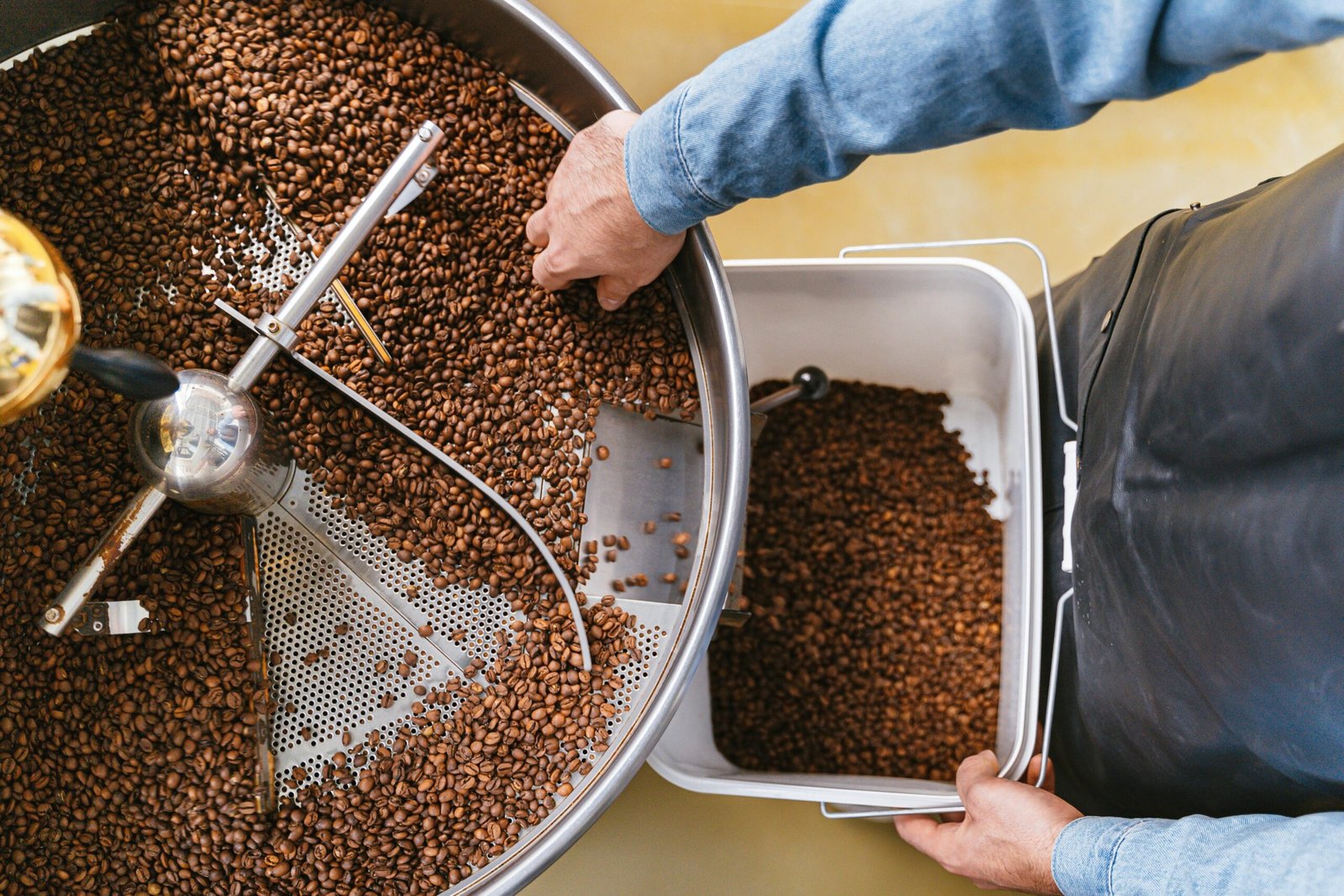
Roasting transforms green coffee into the aromatic beans we know, unlocking flavors, aromas, and textures.
6. Brewing
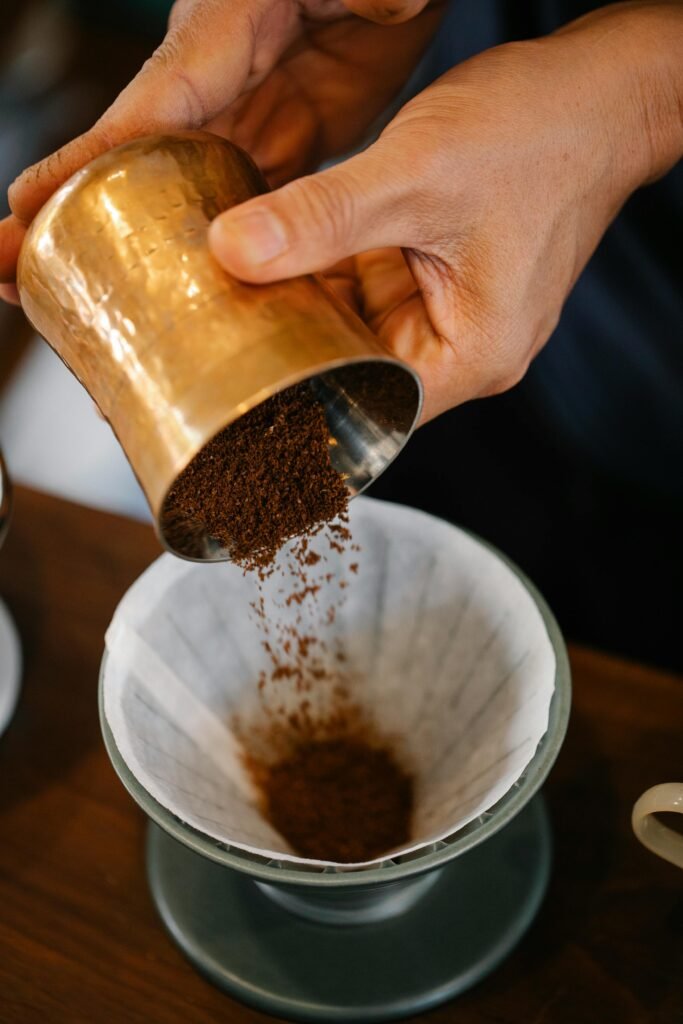
Finally, the roasted beans are ground and brewed using different methods like pour-over, French press, espresso, or AeroPress.
Why Does Origin Matter in Coffee?
Coffee is an agricultural product, and just like wine, terroir matters. Terroir refers to the combination of:
Altitude
Climate
Soil composition
Rainfall
Farming practices
These elements shape how coffee tastes. Two coffees of the same variety can taste completely different depending on where and how they were grown.
This is why coffee professionals pay close attention to origin, region, and even micro-lot farms.
Why Is Colombian Coffee So Respected Worldwide?
Colombia is globally recognized as one of the top coffee-producing countries — and for good reason. Several factors make Colombian coffee stand out:
1. Ideal Geography
Colombia’s mountainous terrain offers high altitudes, rich volcanic soils, and consistent rainfall — perfect conditions for growing high-quality Arabica coffee.
2. Year-Round Harvests
Thanks to Colombia’s unique geography and multiple growing regions, fresh coffee can be harvested throughout the year.
3. Small-Scale Farming Culture
Most Colombian coffee is grown by small family farms. This often means more attention to detail, selective harvesting, and traditional knowledge passed down through generations.
4. Flavor Profile
Colombian coffee is often described as smooth, balanced, and clean, with flavor notes that can include:
Chocolate
Caramel
Citrus
Red fruits
Floral hints
This balance makes Colombian coffee approachable for beginners and exciting for seasoned coffee drinkers.
What Makes Coffee Taste Fruity, Sweet, or Chocolatey?
Flavor in coffee comes from a combination of:
Coffee variety
Growing altitude
Processing method
Roast level
Brewing method
For example:
Coffees processed naturally tend to be fruitier
Washed coffees are usually cleaner and brighter
Medium roasts often highlight sweetness and balance
Lighter roasts preserve origin characteristics
Understanding these factors helps coffee drinkers make more informed choices based on personal taste preferences.
Coffee as a Craft, Not Just a Commodity
Not all coffee is the same. While commercial coffee is produced for volume and consistency, specialty coffee focuses on:
Quality
Traceability
Ethical sourcing
Flavor experience
Specialty coffee is often evaluated by trained professionals and scored based on aroma, flavor, acidity, body, and overall balance.
For many producers and roasters, coffee is not just a product — it’s a craft shaped by people, land, and tradition.
Learning to Taste Coffee More Intentionally
Developing an appreciation for coffee is a journey. Paying attention to origin, roast, and preparation can completely change how you experience each cup. Over time, many people discover that coffee offers as much complexity and storytelling as fine wine or craft chocolate.