Canadian dollar ($) - CAD


Coffee Roast Levels Explained: Light, Medium, and Dark Roast
When exploring coffee, one of the first things you’ll notice is the roast level. You’ve probably seen labels like light roast, medium roast, or dark roast — but what do they actually mean?
Understanding roast levels can completely change how you experience coffee, helping you choose beans that match your taste preferences and brewing style.
What Is Coffee Roasting?
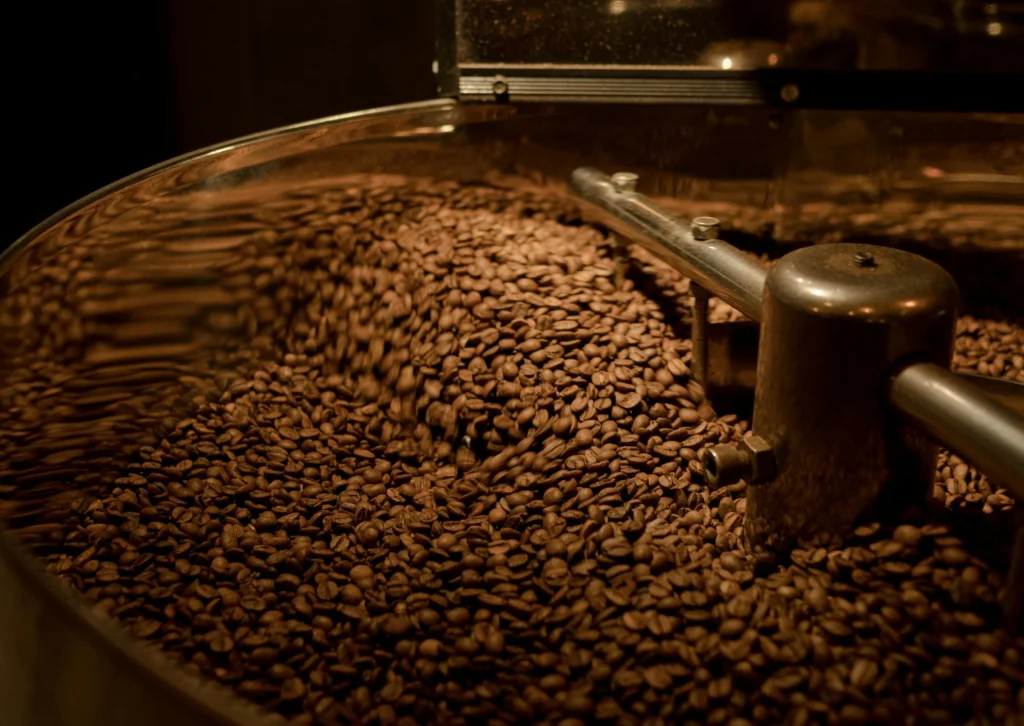
Coffee roasting is the process of applying heat to green coffee beans to develop their flavor, aroma, and color.
Before roasting, coffee beans are green, dense, and have very little aroma. Through roasting, they undergo chemical reactions that create the flavors we associate with coffee — from fruity and floral notes to chocolatey and smoky profiles.
The level of roasting directly impacts how the coffee tastes in your cup.
The Three Main Roast Levels
Coffee is generally categorized into three main roast levels:
- Light Roast
- Medium Roast
- Dark Roast
Each offers a different flavor experience.
Light Roast Coffee
Light roast coffee is roasted for a shorter period, allowing more of the bean’s original characteristics to remain intact.
Flavor Profile
- Bright and vibrant
- Higher acidity
- Fruity, floral, or citrus notes
- Complex and layered
Characteristics
- Light brown color
- No visible oil on the surface
- Retains more origin flavor
Light roasts are ideal for those who want to taste where the coffee comes from — the region, variety, and processing method.
Medium Roast Coffee
Medium roast is often considered the most balanced option, offering a combination of origin flavors and roast character.
Flavor Profile
- Smooth and balanced
- Medium acidity
- Notes of chocolate, caramel, nuts
- Slight sweetness
Characteristics
- Medium brown color
- Minimal oil on the surface
- Well-rounded body
This roast level is one of the most popular because it appeals to a wide range of coffee drinkers.
Dark Roast Coffee
Dark roast coffee is roasted longer, developing deeper, bolder flavors.
Flavor Profile
- Bold and intense
- Low acidity
- Smoky, bitter, or roasted notes
- Sometimes chocolatey or spicy
Characteristics
- Dark brown to almost black color
- Oily surface
- Heavier body
In dark roasts, the roasting process tends to dominate the flavor, meaning you’ll taste more of the roast than the origin.
How Roast Level Affects Flavor
Roast level influences several key aspects of coffee:
Acidity
- Light roast → higher acidity
- Medium roast → balanced
- Dark roast → lower acidity
Sweetness
- Medium roast often highlights natural sweetness
- Light roast emphasizes fruit-like brightness
- Dark roast may reduce perceived sweetness
Body
- Light roast → lighter body
- Medium roast → medium body
- Dark roast → heavier body
Which Roast Level Should You Choose?
The best roast depends on your personal preference and how you brew your coffee.
If you enjoy:
- Bright, fruity flavors → choose light roast
- Balanced, smooth coffee → choose medium roast
- Bold, strong taste → choose dark roast
Best Roast Levels for Brewing Methods
Different brewing methods highlight different roast levels:
- Pour-over (V60, Chemex) → light to medium roast
- French press → medium to dark roast
- Espresso → medium to dark roast
- Drip coffee maker → medium roast
That said, there are no strict rules — experimentation is part of the experience.
Common Misconceptions About Roast Levels
“Dark roast has more caffeine”
Not necessarily. Light roasts often retain slightly more caffeine by weight, though the difference is small.
“Light roast is weak”
Light roast may taste lighter in body, but it often has more complex and vibrant flavors.
“Dark roast is higher quality”
Roast level does not determine quality. High-quality coffee can be roasted light, medium, or dark depending on the desired flavor profile.
Why Roast Level Matters in Specialty Coffee
In specialty coffee, roasting is used to highlight the unique characteristics of the bean rather than mask them.
Roasters carefully develop profiles that bring out:
- Origin-specific flavors
- Natural sweetness
- Balance and clarity
Understanding roast levels helps you better appreciate the intention behind each coffee.