Canadian dollar ($) - CAD


Specialty Coffee vs Commercial Coffee: What’s the Real Difference?
Coffee is one of the most consumed beverages in the world, yet many people don’t realize there are major differences in the quality of the beans they drink every day.
You’ve probably heard the term specialty coffee, especially in cafés, roasteries, or coffee communities. But what actually makes specialty coffee different from commercial coffee?
Understanding this difference can completely change how you experience coffee at home.
What Is Commercial Coffee?
Commercial coffee refers to the coffee that dominates supermarket shelves and large-scale coffee brands. It is produced with the main goal of high volume and consistency at a low cost.
These coffees are typically sourced from large farms or cooperatives and are blended from beans of different origins to maintain a standardized flavor.
Common characteristics of commercial coffee include:
Lower-grade beans
Heavy roasting to mask defects
Large-scale industrial production
Limited traceability of origin
Because of these factors, commercial coffee often tastes bitter, flat, or overly roasted.
What Is Specialty Coffee?
Specialty coffee represents the highest category of coffee quality. The term was introduced by the Specialty Coffee Association (SCA) to classify coffees that score 80 points or higher on a 100-point scale during professional cupping evaluations.
Specialty coffee focuses on:
Bean quality
Unique flavor profiles
Transparent origin
Careful farming and processing
Instead of aiming for uniform taste, specialty coffee celebrates the natural characteristics of each region, farm, and variety.
The Coffee Scoring System
To qualify as specialty coffee, beans are evaluated through a process called cupping, where trained tasters analyze attributes such as:
Aroma
Flavor
Acidity
Body
Balance
Aftertaste
Coffee that scores:
80–84.99 → Specialty coffee
85–89.99 → Premium specialty
90+ → Exceptional coffee
Commercial coffee, on the other hand, usually scores below 80.
Farming and Harvesting Differences
One of the biggest differences between specialty and commercial coffee happens before the beans even leave the farm.
Commercial Coffee Production
Commercial coffee is often harvested quickly using mechanical methods or by collecting all cherries at once, regardless of ripeness.
This can introduce defects such as:
Unripe cherries
Overripe cherries
Damaged beans
These defects are usually hidden later through darker roasting.
Specialty Coffee Farming
Specialty coffee farms typically focus on selective hand-picking, where only ripe cherries are harvested.
This results in:
Better flavor development
Higher consistency
More complex and clean cups
Specialty producers also invest more in processing techniques, such as washed, honey, or natural processing methods.
Roasting: A Major Flavor Difference
Roasting is another key factor that separates commercial and specialty coffee.
Commercial Roasting
Large coffee brands often roast beans very dark. While dark roasts can be enjoyable, they are frequently used to mask inconsistencies and defects in lower-grade beans.
This leads to a flavor profile dominated by:
Burnt notes
Bitterness
Smoky taste
Specialty Coffee Roasting
Specialty coffee is typically roasted to highlight the unique characteristics of the bean rather than covering them up.
Roasters aim to express flavors such as:
Chocolate and caramel
Citrus and berries
Floral or tea-like notes
Each origin and variety may require a slightly different roast profile.
Transparency and Traceability
Another important distinction is traceability.
Specialty coffee usually includes detailed information about:
Country of origin
Region
Farm or cooperative
Coffee variety
Processing method
Commercial coffee often provides little or no information about where the beans actually come from.
For many coffee drinkers, this transparency creates a stronger connection to the producers and the story behind the coffee.
Brewing Experience at Home
Many people assume specialty coffee is only meant for cafés, but it can actually improve the home brewing experience.
Because the beans are fresher and higher quality, specialty coffee tends to produce:
Cleaner flavors
More sweetness
Less bitterness
Greater aroma
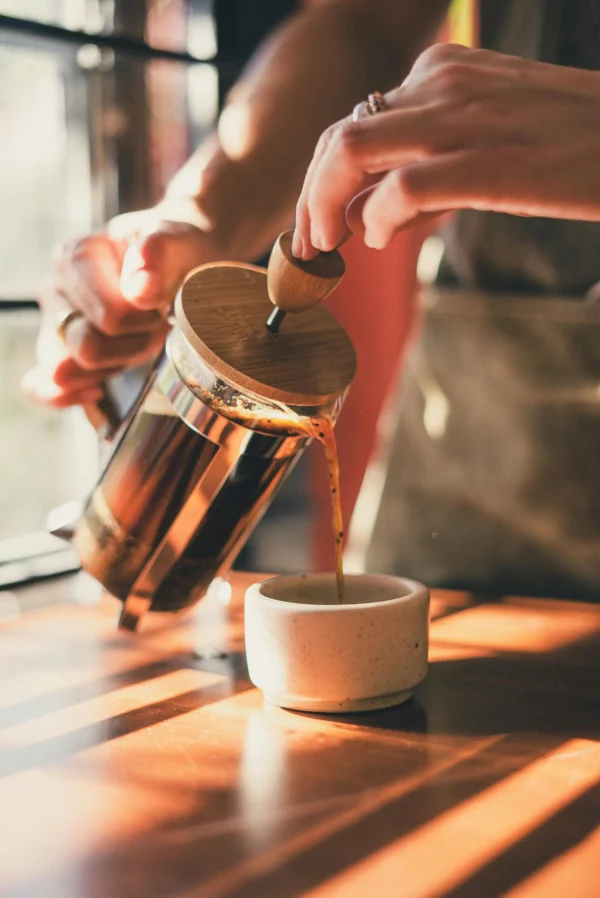
Even simple brewing methods like drip coffee makers or French press can highlight these differences.
Is Specialty Coffee Always Better?
Not necessarily for everyone.
Taste is subjective, and some people enjoy the bold intensity of dark commercial roasts. However, specialty coffee often provides more clarity and complexity, allowing drinkers to explore a wider range of flavors.
For those interested in learning more about coffee, specialty beans can open the door to discovering new regions, varieties, and brewing techniques.